
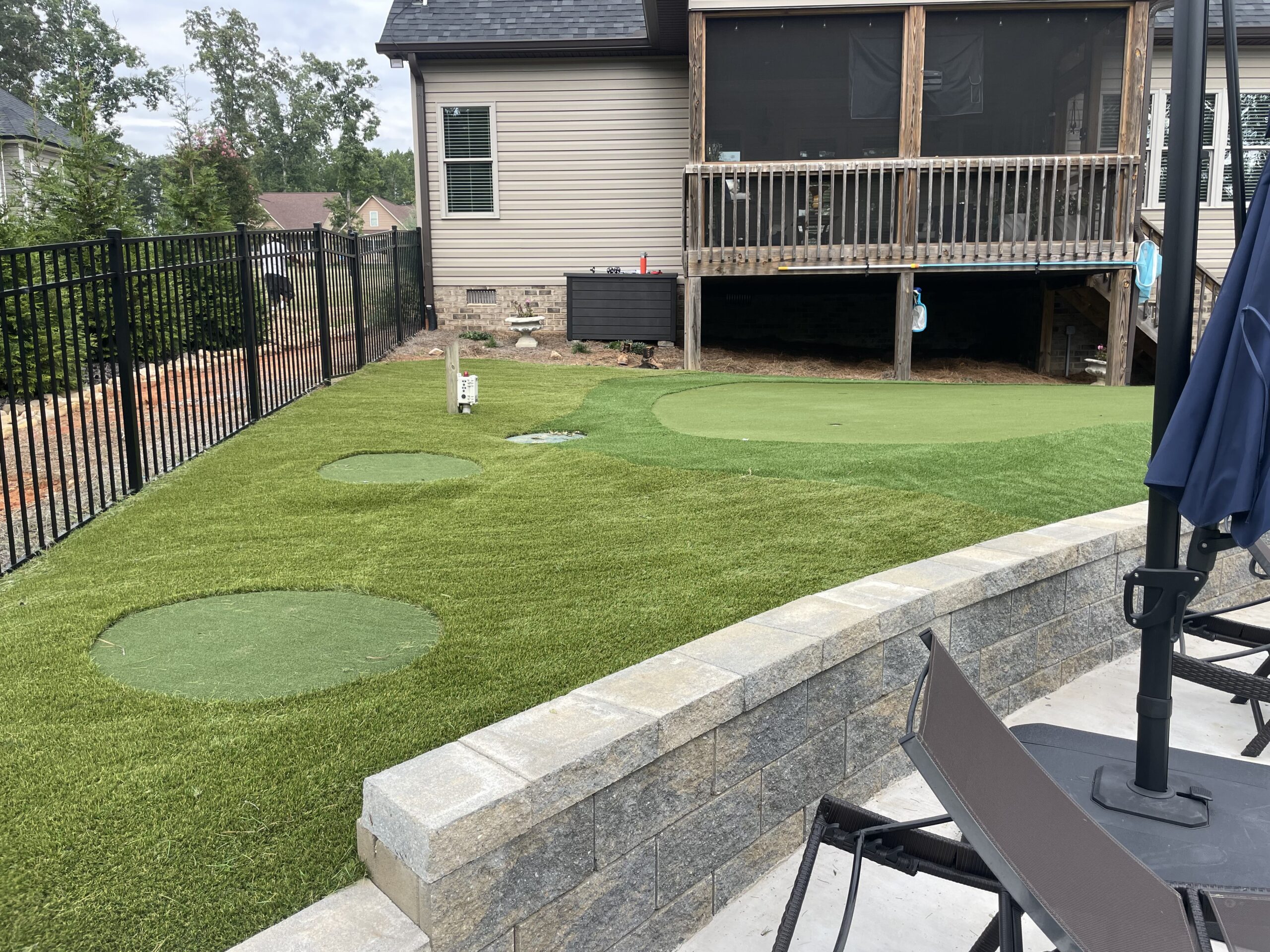
Artificial Turf of Celina's commercial consultation service exists to give property owners, developers, and property managers the technical information they need to make those decisions well. This is not a sales pitch with a site visit attached. It is a structured process that evaluates your property's specific conditions, identifies the options appropriate to your application and budget, produces a documented assessment you can use to plan and compare alternatives, and gives you an honest picture of what artificial turf will and will not accomplish in your specific commercial context.
The site visit itself covers the full landscape scope, not just the zones where artificial turf is being considered. Water sources and irrigation infrastructure, soil conditions relative to drainage performance, pedestrian flow patterns that affect turf placement and seam positioning, vehicular access that constrains installation phasing, and proximity to Coserv utility infrastructure that affects staging—all of these feed into the recommendations. Celina's commercial properties are growing up fast on land that was recently ag-fringe, and the soil profiles, drainage characteristics, and utility locations are not always what a standard suburban commercial site would predict. We look at the actual site rather than assuming it matches standard conditions.
Budget development during a commercial consultation includes both installation costs and long-term operating cost modeling. The initial installation cost for commercial turf is higher than sod or seeded turf. The annual operating cost—essentially zero for most landscape labor inputs—is substantially lower. For commercial properties on Celina's water pricing, the elimination of irrigation represents a measurable annual savings that compounds over the property hold period. We model this calculation using actual Coserv commercial rate data so the budget comparison is based on real numbers from this market.
Implementation planning covers sequencing and phasing appropriate to a commercial construction or renovation environment. If tenants are operating during landscape installation, we develop a phased approach that keeps primary access clear. If artificial turf is being phased in as natural grass fails over a multi-building campus, we recommend sequencing that maximizes visual consistency across phases. If the project involves coordination with a general contractor's punch list schedule, we identify the dependencies and float that affect when turf installation can occur.
For existing commercial properties that have underperforming artificial turf installations, the consultation includes a diagnostic assessment of what went wrong and what is required to correct it. We identify whether the problem is product selection, installation quality, drainage architecture, or maintenance history, and we provide a remediation plan with cost estimates for each element.
Commercial consultation is available to property owners, developers, property managers, landscape architects, and general contractors working on projects throughout the Celina market, including Prosper, the far-north Frisco corridor, McKinney, Anna, Melissa, Aubrey, and Pilot Point.
Benefits
- Structured assessment process produces documented findings that commercial decision-makers can use to compare alternatives
- Long-term operating cost modeling using actual Coserv commercial rate data for Celina market projects
- Implementation phasing designed around active tenant operations and general contractor punch list schedules
- Soil and drainage assessment calibrated to Celina's clay-heavy ag-fringe soil profiles rather than standard suburban assumptions
- Diagnostic assessment available for existing commercial installations that have underperformed
- Budget development covers both installation cost and annualized operating cost over the property hold period
- Coordination with landscape architects and general contractors in a format their teams can incorporate into bid documents
- Honest assessment of what artificial turf will and will not accomplish in a specific commercial context
How the process works
- 1Full-scope site visit covering water infrastructure, drainage, pedestrian flow, vehicular access, and utility proximity
- 2Soil condition assessment with reference to Collin County clay-heavy profiles characteristic of ag-fringe development
- 3Installation cost estimate and long-term operating cost model with Coserv rate assumptions
- 4Implementation phasing plan with sequencing tied to construction schedule or tenant operation constraints
- 5Diagnostic assessment of existing installation performance failures if applicable
- 6Consultation report delivery with findings, recommendations, and supporting documentation
- 7Follow-up coordination with design team or contractor as the project moves toward implementation
Frequently asked questions
How long does a commercial consultation take from first contact to report delivery?
Most commercial consultations proceed from initial contact to delivered report within five to ten business days, assuming site access is available promptly. Complex projects with multiple zones or significant existing installation issues may require additional time for thorough assessment.
Can you provide specifications in a format a landscape architect can incorporate into bid documents?
Yes. We provide product specifications in CSI format or in the format requested by the design team. We have worked with multiple landscape architects and civil engineers active in the Collin County commercial development market and understand what their document standards require.
Does the consultation cost apply toward installation if we proceed?
For projects where we are retained for the full installation, consultation fees are typically applied toward the project. For stand-alone consulting engagements where the owner is gathering information to compare vendors, consultation is priced as an independent service. We discuss this at the first contact.
We have an existing commercial installation that is not performing well. Can you assess it?
Yes. Commercial diagnostic assessments are a regular part of our consultation work. We identify whether the performance problem originates in product selection, installation quality, drainage architecture, or maintenance history, and we provide a remediation plan with options ranging from targeted repair to full replacement.